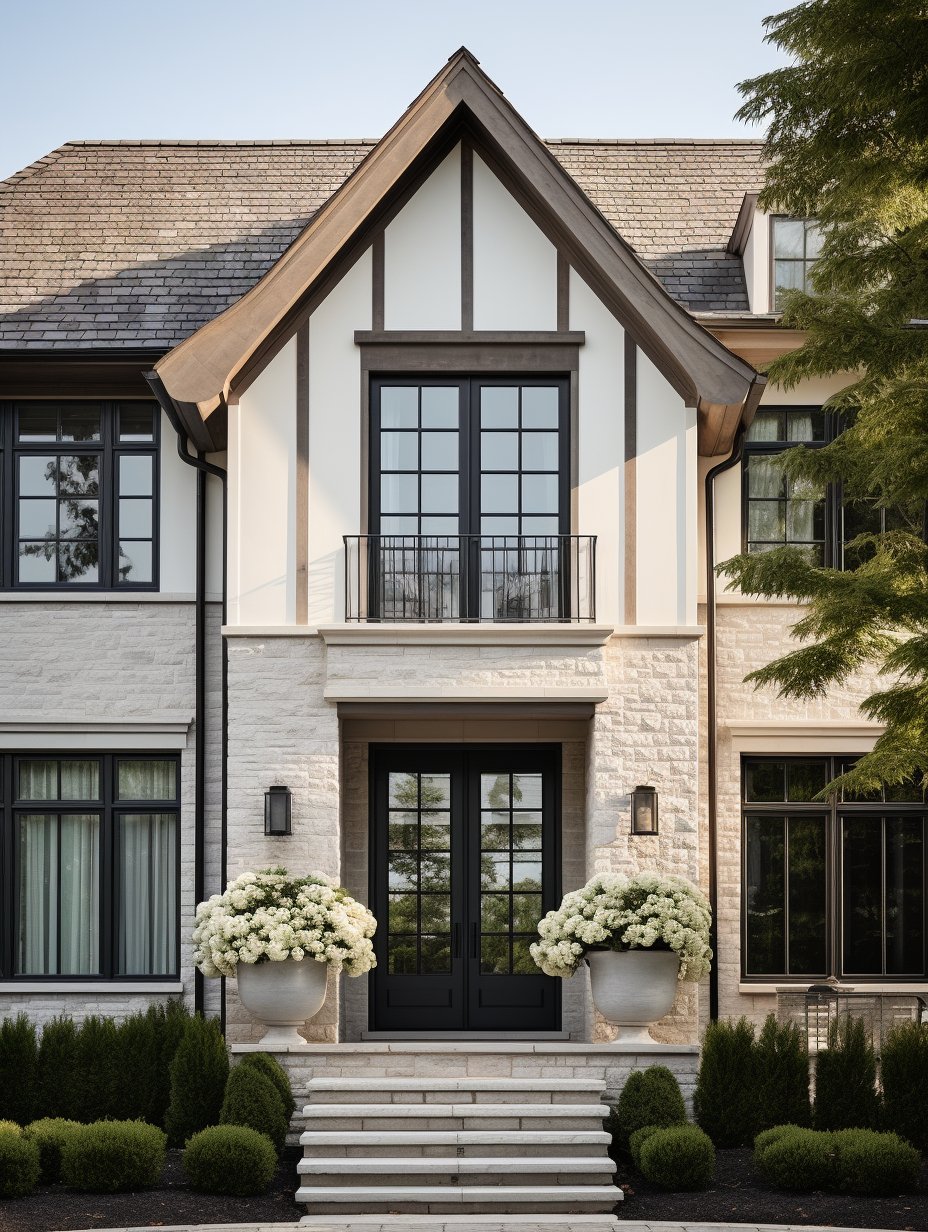
Get Started on Your Home Journey
Purchasing a home involves, at a minimum, dozens of interconnected and important steps. A clear understanding of the process enhances the experience. With thoughtful preparation and expert guidance, you can navigate each step with confidence and achieve your homeownership goals.

Step 1
Mortgage pre-approval is essential in today’s competitive market. It helps you understand what you can afford, gives you a head start on securing a loan, and demonstrates to sellers that you are a serious and qualified buyer. During the pre-approval process, you’ll explore various loan options to find the best fit for your needs.
These may include:
Other considerations include whether to opt for a fixed-rate mortgage, which offers consistent payments over the life of the loan, or an adjustable-rate mortgage (ARM), which has a lower rate and lower payments for an initial term.
Pre-approval not only clarifies your financial options but also strengthens your position in the home buying process. Your buyer's agent can make recommendations for a mortgage lender to help you with this important first step.

Step 2
Next, your agent will meet with you to review your preferred search areas and learn more about your individual wants and needs. They will start to formulate an idea of the types of homes that are a good fit for your lifestyle and budget.
You will also review a buyer agency agreement, which outlines your agent’s services and compensation. This consultation provides clarity on what to expect throughout the buying process, contributing to a good, productive and transparent relationship.

Step 3
Location
Think about important factors such as schools, transportation, and neighborhood amenities like shops, restaurants, and parks.
Type of Home
Depending on where you are conducting your search, there may be a variety of housing styles to consider. Weigh the pros and cons to narrow your focus.
Features & Amenities
Identify your needs and wants, making the distinction between "must-haves" and "nice-to-haves". This might include features like garage parking, access to public transportation, outdoor space, etc.

Step 4
Review Listings
Your agent will share available listings and help you sort through important details like property features, taxes, market time, and monthly assessments for condos and townhomes.
View Properties
Your agent will schedule and attend showings, guiding you through each property. They'll help you think about how different homes align with your desires and priorities.
Evaluate Properties
After viewing listings, share feedback with your agent to refine your search.

Step 5
Once you find a home you want to buy, your agent will guide you through the offer process using their experience and market knowledge.
Price
Your agent will advise you in formulating a competitive offer based on current market conditions and comparable listings and sales.
Mortgage Contingency
A mortgage contingency stipulates that you will buy the home subject to obtaining a mortgage. If you are unable to secure a mortgage at the terms written, and the seller will not finance the sale, this contingency may allow you to cancel the contract without penalty.
Home Inspection Contingency
If your offer is subject to a home inspection, and that inspection reveals structural or material issues that could negatively impact your purchase, then you may have the opportunity to request that those items be addressed by the seller, renegotiate the offer price or cancel the contract.
Attorney Approval
Attorney approval* typically lasts one week, during which your attorney can review and suggest contract alterations to protect you from undue obligations.
Earnest Money
Earnest money is a good-faith deposit securing the contract. It is usually held in an escrow account until the closing. If the sale falls through due to contract contingencies, the earnest money is returned to the buyer. However, if the buyer defaults on the contract, the seller may be entitled to keep the earnest money.
Closing Date
The closing date is when ownership transfers, while the possession date is when the seller vacates the home, and the buyer moves in. Flexibility on the closing or possession date may give you an advantage in a multiple-offer scenario.

Step 6
After submitting an offer, negotiations may follow. If the seller makes a counteroffer, you can accept it, reject it, or counter again. Your agent will guide you and represent your interests to achieve the best terms.
In today's market, it is increasingly common for multiple buyers to compete for the same property. In these situations, your agent will advise you on creative ways to structure your offer to give you the best chance to prevail.

Step 7
Once your offer is accepted and all parties have signed the contract, the escrow period begins.
Home Inspection
The contract provides the timeline in which you will schedule a home inspection.
Attorney Review
For attorney review, you should hire a lawyer who is familiar with residential real estate contracts and transactions. In conjunction with a home inspection, attorney review usually lasts 5-10 business days.
Appraisal
If you’re buying your home with a mortgage, your lender will order an appraisal to ensure that the collateral (the home in this case) supports the value of the loan. Once the appraisal is completed, your lender will review it with you and discuss any next steps.
Loan Approval
Your lender will process a full loan approval, verifying income, assets, debts, credit history, and employment, confirming the appraisal, and ensuring compliance with lending guidelines.
Final Walk-Through
Your agent will schedule your final walk-through, giving you the opportunity to ensure that the property is in the agreed-upon condition.

Step 8
Your agent will work closely with you, your lender, and in some states, your attorney, as well as the seller’s agent and the title company, to make sure everything is in place for a smooth and efficient closing. A day or two before closing, your lender will send all loan documentation to the title company and inform you of the amount needed to close, which includes your down payment and closing costs. Understanding these costs is a crucial part of the home buying process, as they may include:
Your agent and lender will provide a detailed breakdown to avoid surprises on closing day. At the closing, your attorney (if applicable) and the title company will guide you through signing the necessary documents to officially take ownership of your new home.
During the escrow period, it’s crucial to maintain financial stability and avoid actions that could jeopardize your loan approval. Avoid large purchases, changing jobs, opening or closing credit accounts, or co-signing loans, as these can affect your credit and debt-to-income ratio. Always pay bills on time, avoid large undocumented cash deposits, and promptly respond to lender requests.
Additionally, consult your lender before making any changes to your loan application.

Step 9
One of @properties Christie’s International Real Estate’s core values is “Everything is Relationship,” and that means we’re excited to be your resource long after the closing. Leveraging our vast network, we can make the appropriate referrals and coordinate services related to a number of needs that may arise as a homeowner.
Here are a few important things to think about as you’re getting settled in your new home:
Maintaining Your Financial Health
It’s typically recommended to set up automatic payments with your mortgage lender to ensure on-time payments and avoid unnecessary stress. Buyers should also make a plan for gradually rebuilding their savings.
Refinancing
Keep an eye on your interest rate even after you purchase your home. If rates go down, you may be able to refinance to reduce your monthly payment or increase your principal payment. Refinancing is an impactful financial transaction, so be as diligent with a refi as you were in securing your original mortgage.
Home Improvement
If you have projects or updates you’d like to tackle, your agent has the network and resources to support you in connecting with a variety of qualified service providers.
1314 SHERMER RD NORTHBROOK, IL 60062
1314 SHERMER RD NORTHBROOK, IL 60062