Thinking about trading city life for more space on the North Shore? A move from Chicago to Wilmette can be exciting, but it also comes with real planning challenges, especially when you are moving into a market with higher prices, limited inventory, and fast-moving listings.
If you want your move to feel organized instead of rushed, the key is to plan around timing, budget, and daily lifestyle needs before you start writing offers or scheduling movers. Here is what you should know to make your Chicago-to-Wilmette move smoother and more confident. Let’s dive in.
Why Wilmette takes planning
Wilmette is a tight housing market with limited turnover. According to the village’s housing analysis, about four out of five homes are single-family, about 89% are owner-occupied, and homeowner vacancy was just 0.3% in 2024.
That low turnover helps explain why buyers often need to move quickly when the right home appears. It also means your move is not just about finding a house you like. It is about having a clear strategy before inventory hits the market.
Pricing is another major shift for many Chicago movers. The village housing analysis shows the median home sale price rose from $658,500 in 2020 to $1,111,250 in 2025, while Redfin reported a median sale price of $1.279 million over the three months ending in May 2026.
By comparison, the City of Chicago’s median sales price was $409,200 in March 2026. For many buyers and sellers, that creates a meaningful step-up in both purchase price and monthly carrying costs.
How competitive is Wilmette?
Current market data points to a fast, competitive environment. Redfin reported about 35 days on market and 5 offers on average, while Zillow showed 59 homes for sale, 41 new listings, a median sale-to-list ratio of 1.011, and homes going pending in around 6 days as of May 31, 2026.
The exact figures vary by source, but the bigger takeaway is consistent. Inventory is tight, homes can move fast, and many buyers are paying close to or slightly above asking.
That matters because your offer strategy, financing readiness, and sale timeline in Chicago all need to be lined up early. In a market like Wilmette, preparation can make the difference between acting confidently and scrambling under pressure.
Sell first or buy first?
One of the biggest decisions in a Chicago-to-Wilmette move is sequencing. In a constrained market, you generally need to choose between selling first, buying first, or using a temporary bridge between homes.
For households with limited cash reserves, a sell-first approach or a highly coordinated same-day close is often the safer path. It reduces the risk of carrying two housing payments at once in a higher-cost market.
When selling first makes sense
Selling first can give you clarity on your budget and available equity before you shop in Wilmette. That can help you write stronger offers because you know exactly what you can spend.
The tradeoff is convenience. If you sell your Chicago home before your Wilmette purchase closes, you may need short-term rental housing, storage, or a flexible moving plan.
When buying first makes sense
Buying first can feel more comfortable because you secure your next home before leaving your current one. This can reduce the stress of temporary moves and help your household stay settled during the transition.
The downside is liquidity. You may need more cash on hand for down payment funds, overlapping mortgage payments, and other move-related costs.
When a bridge strategy helps
Sometimes the best answer is a middle path. A rent-back or occupancy agreement can help if your closing dates do not line up perfectly.
This kind of arrangement can create breathing room on either side of the transaction. It is especially useful when your Chicago sale and Wilmette purchase are close, but not close enough for a clean handoff.
Build your budget around the full cost
A move to Wilmette is often more than a simple address change. It can mean a different purchase price, different tax obligations, and different monthly cash flow needs.
Mortgage rates are part of that picture. Freddie Mac reported the average 30-year fixed-rate mortgage at 6.43% on July 2, 2026, which can have a meaningful effect on affordability when you are moving into a higher-priced market.
You should also plan for moving expenses, utility overlap, storage, temporary housing if needed, and reserves for repairs or updates after closing. A cash cushion matters because the move may involve timing gaps and more than one set of housing costs for a period of time.
Do not overlook property taxes
Cook County property taxes are a major ongoing ownership cost, and they affect your closing math too. Property taxes are collected in arrears, the first installment is due at the beginning of March and equals 55% of the prior year’s total bill, and the second installment is mailed and due in late summer.
That structure can affect prorations at closing, so it is smart to review tax estimates early. You want to understand not just the purchase price, but also the full monthly cost of ownership.
Check exemptions and tax billing setup
If you will live in the home as your primary residence, the Cook County Homeowner Exemption can matter. The Cook County Assessor says it saves property owners an average of about $950 per year, and it auto-renews once applied.
It is also important to know that the name and mailing address on the tax bill do not change automatically when a home changes hands. The Cook County Assessor notes that the Treasurer’s Office must be contacted if the attorney or agent does not handle that update at closing.
Renting before you buy
Some Chicago movers decide to rent in Wilmette first, especially if they want to learn the area, wait for the right home, or simplify the timing of a sale. That can be a practical bridge, but it still requires careful budgeting.
Wilmette’s housing analysis shows renter vacancy has stayed below 5% since 2018. It also shows median rent in pre-1940s rental stock rose from $1,185 in 2014 to $1,961 in 2024, and 28% of local renters pay more than half their income on housing.
The same analysis says an income of $60,000 or more is needed to afford the median rent in Wilmette or within a nearby 5-mile radius. If you are considering a rental bridge, it helps to start early and understand that availability may be limited.
Match your home search to your commute
Your new address is only part of the daily equation. If you commute to downtown Chicago or elsewhere along the North Shore, the right fit depends on how you actually travel during the week.
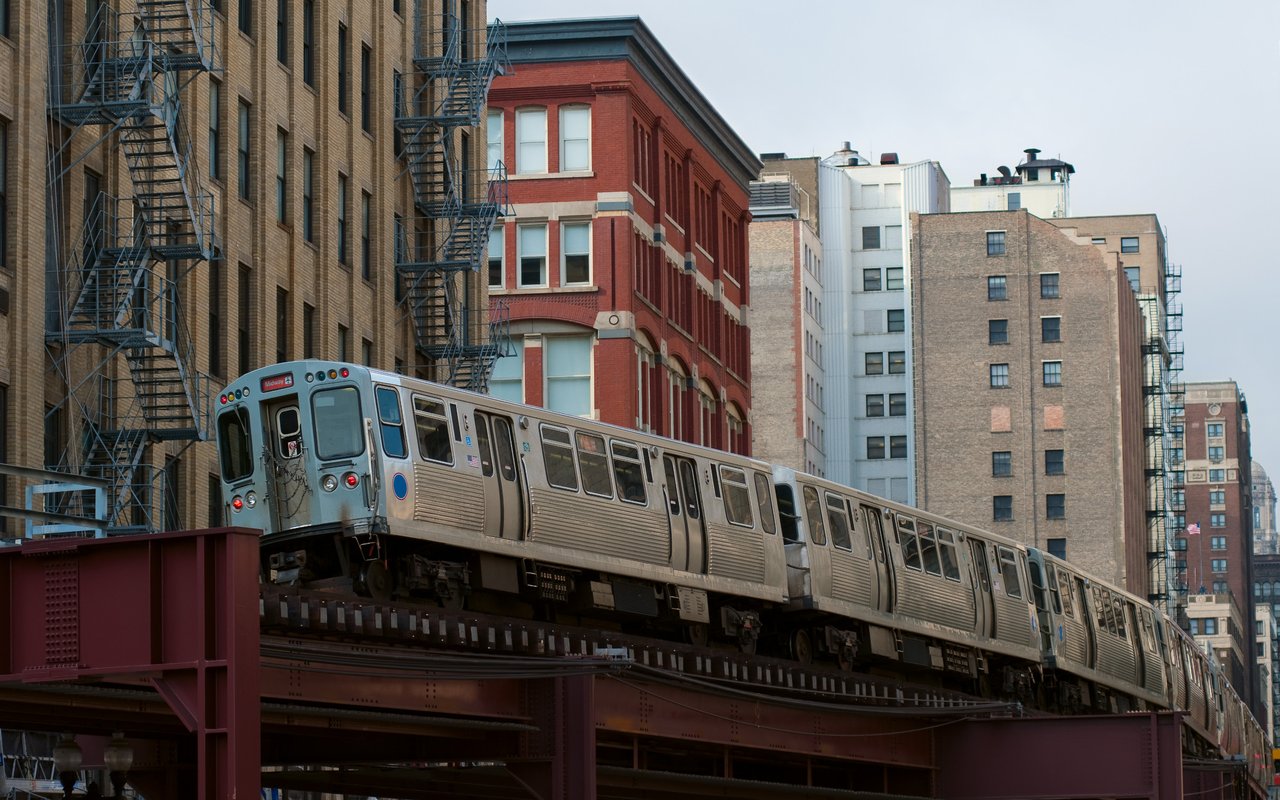
Wilmette has two key rail options to weigh. CTA’s Purple Line serves Linden in Wilmette and offers weekday rush-period express service into the Loop, and the Linden station also has park-and-ride and bike parking.
Metra’s Union Pacific North line also serves Wilmette, with downtown access through the broader network that includes Ogilvie Transportation Center. For some households, that second rail pattern may fit better depending on office location and work schedule.
Transit access versus space
A home closer to a station may make daily commuting easier and could reduce the need for a second car. That can be especially helpful if your work schedule includes regular downtown trips.
A single-family home farther from transit may offer different space or layout advantages, but it may shift more of your routine to driving. In Wilmette, that tradeoff is worth thinking through before you focus only on square footage or lot size.
A practical moving checklist
The smoothest Chicago-to-Wilmette moves usually start with a plan before you tour homes. A process-driven approach can help you stay flexible without losing momentum.
Consider working through these steps early:
- Review your available equity, cash reserves, and target monthly payment
- Decide whether selling first, buying first, or renting temporarily fits your situation
- Get clear on commute patterns, station access, parking needs, and weekly schedule
- Estimate property taxes, closing costs, and moving expenses before setting your top budget
- Prepare for fast-moving inventory by organizing financing and decision criteria early
- Review tax prorations, exemption eligibility, and post-closing mailing address updates
Why local guidance matters
A move from Chicago to Wilmette is not just a change in ZIP code. It is a move into a different pricing tier, a lower-inventory market, and a new daily rhythm.
That is where local market insight becomes valuable. When you understand timing risk, budget realities, and neighborhood-by-neighborhood tradeoffs, you can move with more confidence and less guesswork.
If you are planning a move from Chicago to Wilmette, working with a broker who understands the North Shore can help you build a strategy around inventory, timing, and your day-to-day priorities. To start your next move with a clear plan, connect with Audra Casey.
FAQs
How fast do homes sell in Wilmette?
- Recent market snapshots show Wilmette homes can move quickly, with Redfin reporting about 35 days on market and 5 offers on average, while Zillow reported homes going pending in around 6 days as of May 31, 2026.
Should you sell your Chicago home before buying in Wilmette?
- It depends on your equity, cash reserves, and comfort with temporary housing, but in a tight Wilmette market, selling first or coordinating a same-day close is often the lower-risk path for households with limited extra cash.
What should you budget for when moving from Chicago to Wilmette?
- You should budget for the higher purchase price, mortgage payment, property taxes, closing costs, moving expenses, possible overlap in housing payments, and any short-term rental or storage needs.
Which transit option is better for a Wilmette commute to Chicago?
- The better fit depends on your office location, work schedule, and parking needs, since Wilmette offers CTA Purple Line access at Linden and Metra service on the Union Pacific North line.
What Cook County tax steps matter after buying in Wilmette?
- You should review tax prorations before closing, confirm whether you qualify for the Homeowner Exemption, and make sure the tax bill mailing address is updated if that is not handled during closing.