Are you torn between morning walks near Lake Michigan and the ease of grabbing coffee, hopping on Metra, or running errands without getting in the car? In Highland Park, that is a real choice because the city functions more like a collection of micro-markets than one single neighborhood. If you are weighing lakefront versus in-town living, understanding how lifestyle, pricing, access, and daily routines differ can help you make a smarter move. Let’s dive in.
Highland Park Is A Micro-Market City
One of the biggest mistakes you can make in Highland Park is treating every address the same. The city’s downtown core centers around a tight cluster of civic and retail destinations, including City Hall, the public library, the Metra station, Port Clinton Square, Renaissance Place, the Art Center, the Community House, and the Water Tower.
By contrast, inland areas near and west of Highway 41 are described by the city as lower-intensity single-family residential areas, with only a small local commercial node in parts of the North Central District. That means your day-to-day experience can feel very different depending on which side of town you choose.
For most buyers, the real comparison comes down to this: do you want a more scenic, lake-oriented setting, or do you want more walkable, in-town convenience? In Highland Park, both can be appealing, but they serve different priorities.
What Lakefront Living Feels Like
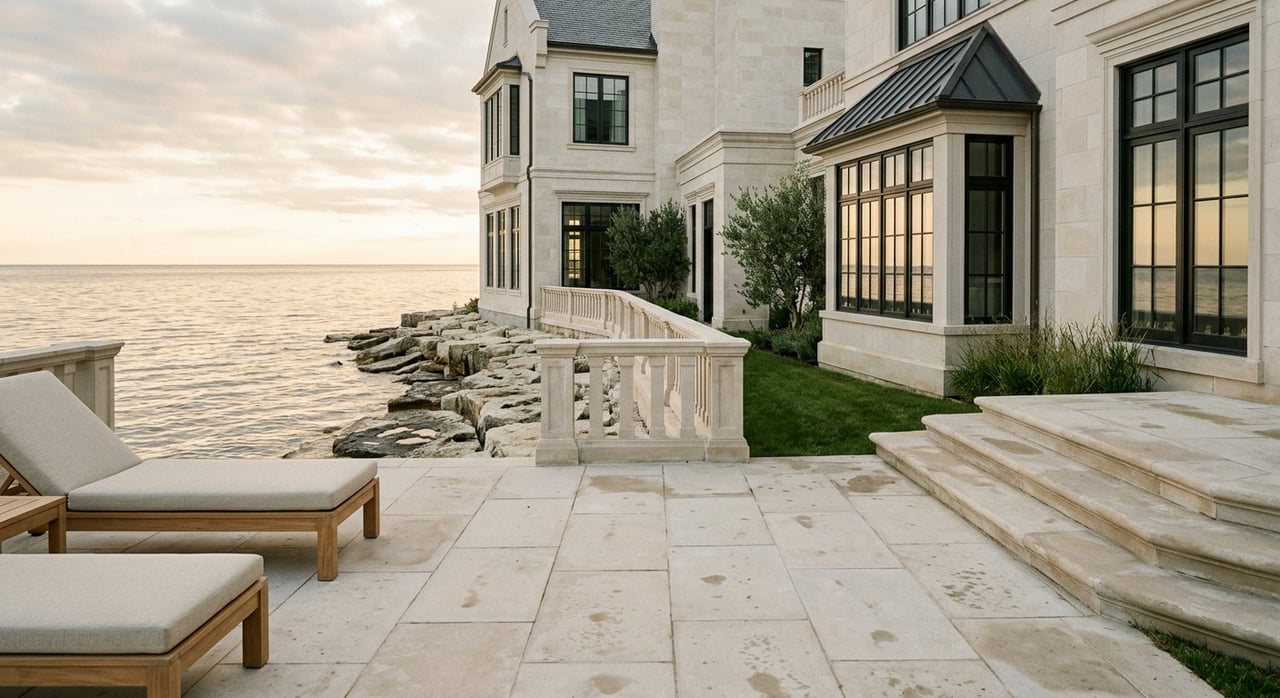
Lakefront and east-side living in Highland Park is usually defined by setting first. Homes in these areas often emphasize Lake Michigan access, ravines, mature landscaping, and proximity to the shoreline.
Recent examples in the market show how strong that appeal can be. East-side properties have been marketed with features like private beach access, closeness to Lake Michigan, and quick access to Rosewood Beach, downtown, Ravinia, and the lakefront.
This is typically the premium tier of the Highland Park market. In many cases, buyers are paying not just for square footage, but for a specific setting and a harder-to-replicate lifestyle.
Key Advantages Of Lakefront Areas
If you are drawn to the east side, the lifestyle benefits are easy to understand:
- Close access to Lake Michigan
- Beach-oriented living
- Ravine and wooded settings that can feel tucked away
- Strong appeal for buyers seeking a more distinctive setting
- Proximity to destinations like Rosewood Beach and parts of Sheridan Road
For some buyers, that setting is the whole point. If being near the water shapes how you want to spend your free time, the lakefront blocks can offer a very different experience from inland Highland Park.
Lake Access Is Convenient, Not Automatic
Living near the lake does not mean beach access is completely effortless. Highland Park’s lakefront is managed with clear access rules through the Park District, which oversees four public beaches or lakefront properties.
Rosewood is the designated swimming beach, Moraine is dog-friendly, and Millard is a no-swimming beach. The Park District also uses passes and decals for access and parking, including a mandatory lakefront parking decal system. Resident decals are listed at $35 per vehicle, while non-resident decals are $285.
That matters because even if you live nearby, there are still logistics involved. Proximity helps with convenience, but it does not remove the need to plan for access, parking, and seasonal use.
What In-Town Living Feels Like
In-town Highland Park usually offers a more mixed housing stock and a more walkable daily routine. You are more likely to find condos, smaller single-family homes, and two-flats near the downtown core, especially around areas like St. Johns and Green Bay.
This part of town is often defined less by seclusion and more by convenience. If your ideal day includes walking to the train, the library, local shops, parks, or downtown destinations, in-town living may fit you better.
A number of listings in and near the core highlight walk-to-everything appeal, including access to downtown, Port Clinton Square, parks, the library, and Metra. That concentration of amenities is what gives in-town Highland Park a different rhythm from the east-side lakefront blocks.
Why Buyers Choose In-Town Areas
For many buyers, the biggest draw is daily ease. Instead of prioritizing a dramatic setting, you are prioritizing how efficiently your home connects to the places you use most often.
That can include:
- Walkable access to downtown amenities
- Easier train access in core locations
- More varied housing choices
- More accessible entry points than the premium lakefront tier
- A stronger live-near-everything feel
If you want your weekends and weekdays to involve less driving, the downtown core often has the advantage.
Where Ravinia Fits In
Ravinia often sits in the middle of this conversation. It tends to feel more village-centered than the lakefront blocks, but it often carries a higher price point than more entry-level parts of downtown.
That middle-ground character is a big part of Ravinia’s appeal. You may find a blend of access to the train, local destinations, and lake-adjacent lifestyle benefits without feeling fully tied to either the most premium lakefront tier or the most compact downtown core.
From a pricing standpoint, current market signals reflect that in-between position. March 2026 median sale price figures show about $505,000 downtown, $556,500 in Ravinia Highlands, and $868,000 in Ravinia, compared with a citywide median sale price of $763,000.
Price Differences Can Be Significant
If budget is part of your decision, Highland Park’s internal pricing spread is worth paying attention to. Current market data show a meaningful gap between the downtown core and higher-priced areas like Ravinia, while lake-adjacent and prestige east-side homes can operate in an even more premium range.
That does not mean one option is better than another. It means you should compare value based on the lifestyle you actually want, not just the list price.
A lower price point in-town may give you walkability and convenience. A higher price point near the lake may deliver setting, access, and a more distinctive feel. The right choice depends on which tradeoff matters more to you.
Walkability Versus Setting
This is often the clearest way to frame the decision. In-town Highland Park generally wins on walkability, while lakefront Highland Park often wins on setting.
The city’s downtown map shows the strongest concentration of civic, retail, and commuter amenities in the Central Business District. That is why buyers focused on walkable routines often start there or in nearby Ravinia.
Meanwhile, lakefront and east-side areas are more likely to appeal if you care most about access to the shoreline, beach use, or a more visually distinctive environment. If the lake is central to your lifestyle, in-town convenience may not feel like an equal substitute.
Commuting Can Shift The Decision
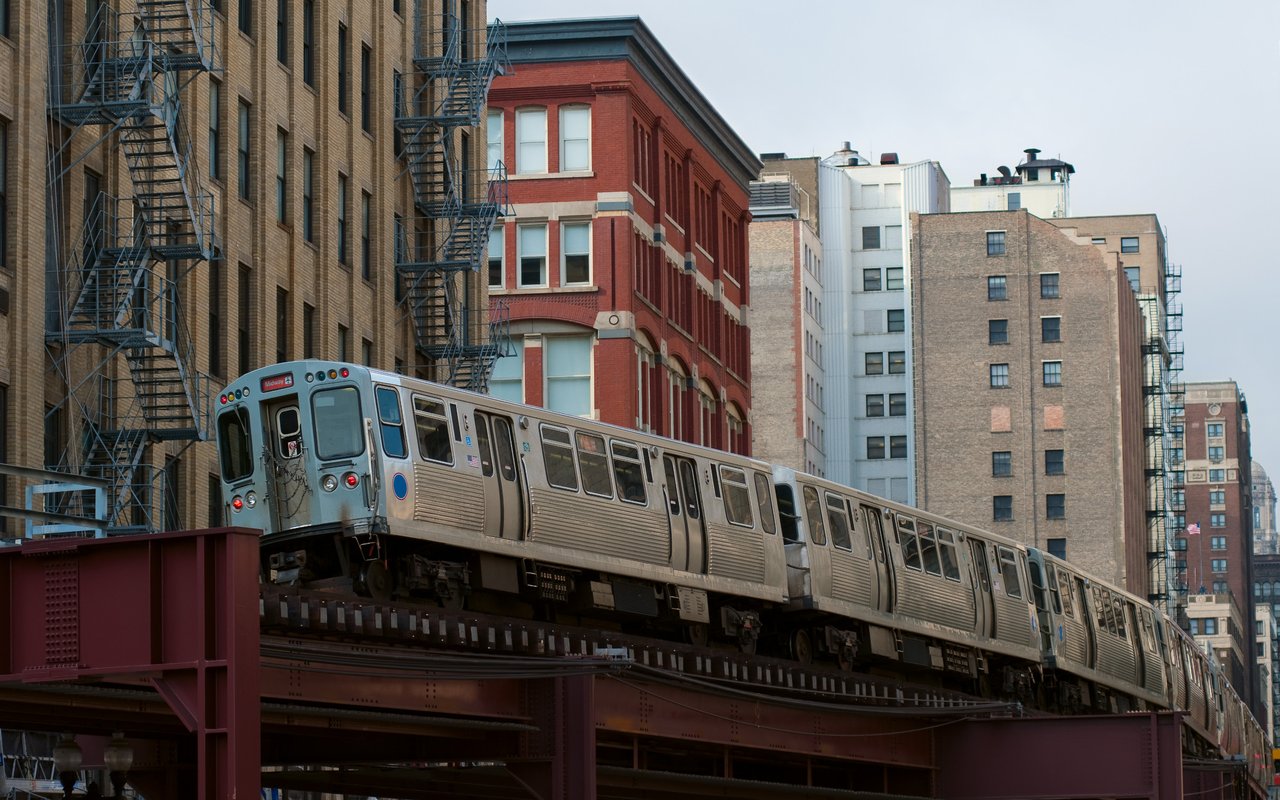
For commuters, train access can be a deciding factor. Highland Park is served by multiple Metra UP-N options, including Braeside, Ravinia, Ravinia Park, and Highland Park.
Metra lists Braeside, Ravinia, and Ravinia Park in Zone 3, while Highland Park is Zone 4. The city also shows commuter lots and digital permit options in the Central, Ravinia, and Braeside districts, which reinforces how important station access can be when comparing micro-areas.
If your routine depends on regular rail service, an in-town or Ravinia-area home may offer an advantage. That said, some east-side pockets also provide solid train convenience, so this is a detail worth evaluating address by address.
Inland Areas Offer A Third Option
If you feel stuck between lakefront prestige and downtown convenience, inland Highland Park may offer a useful middle path. Areas west of Highway 41 and other inland pockets tend to trade direct lake access for a more residential setting.
That does not always mean you are far from everything. Some inland and north or northwest pockets can still be minutes from downtown, Metra, Ravinia, Sunset Woods, and Lake Michigan, even if they are not directly lake-adjacent.
For buyers who want a quieter residential feel and potentially more accessible pricing than the east-side premium tier, inland Highland Park deserves a close look. It can be a practical option if your priority is everyday livability rather than a specific lakefront address.
Taxes Need Address-Level Review
One of the most important practical details in Highland Park is property taxes. Tax burden is not uniform across the city.
Lake County records show that Highland Park parcels can fall in different townships and tax code areas, including Moraine Township and West Deerfield Township. A property tax bill can include multiple taxing bodies such as the city, county, school district, park district, township, water reclamation district, and mosquito abatement.
The takeaway is simple: do not assume taxes based on the neighborhood name alone. If you are comparing lakefront, in-town, or inland homes, tax review should happen at the specific property level by PIN.
How To Decide Which Fit Is Better
If you are still choosing between lakefront and in-town living, start with your daily routine rather than the listing photos. A beautiful setting matters, but so does how you actually live.
Ask yourself:
- Do you want beach access and a stronger connection to the lake?
- Do you want to walk to Metra, the library, restaurants, or downtown destinations?
- Is your budget better aligned with downtown, Ravinia Highlands, Ravinia, or a more premium east-side area?
- How often will you use the train?
- Are you comfortable with lakefront access logistics like passes, decals, and parking rules?
- Would an inland residential area give you a better balance of lifestyle and cost?
When you frame the decision this way, the answer usually becomes clearer. Highland Park offers several valid ways to live well, but the best fit depends on the kind of convenience and environment you value most.
If you want help comparing specific Highland Park micro-markets, reviewing address-level tax details, or identifying the right balance between walkability, train access, and lifestyle, Audra Casey can help you build a market-backed plan that fits your goals.
FAQs
Which part of Highland Park is most walkable?
- Downtown Highland Park and the Ravinia core are generally the most walkable because they are closest to the city’s main cluster of shops, civic buildings, the library, and Metra access.
Which part of Highland Park offers the strongest beach lifestyle?
- The east-side lakefront and Sheridan Road corridor typically offer the strongest beach-oriented lifestyle, especially where homes are close to Rosewood Beach or include private beach access.
Is in-town Highland Park usually more affordable than lakefront Highland Park?
- In general, yes. Current market data show more accessible pricing in downtown and some inland areas than in lake-adjacent and prestige east-side segments.
Which Highland Park areas are best for Metra commuters?
- Homes near Braeside, Ravinia, Ravinia Park, and the Highland Park station can work well for commuters, with the strongest walk-to-train convenience usually found in the core and nearby pockets.
Do property taxes vary by neighborhood in Highland Park?
- Taxes can vary materially by address because parcels may fall in different townships and tax code areas, so it is best to verify taxes by specific PIN rather than assume by neighborhood name.
Are inland Highland Park neighborhoods far from downtown and the lake?
- Not always. Some inland pockets are still just minutes from downtown, Ravinia, Metra, parks, and Lake Michigan, even without direct lake adjacency.