If you are trying to understand what makes Highland Park stand out on the North Shore, the answer is not just one thing. It is the way live music, everyday outdoor access, and Lake Michigan all show up in daily life. If you are considering a move, visiting neighborhoods, or simply comparing North Shore communities, this guide will help you see how Highland Park’s lifestyle comes together. Let’s dive in.
Why Highland Park Feels Distinct
Highland Park sits on Lake Michigan about 25 miles north of Chicago, and the city presents that location as part of an everyday lifestyle built around shops, restaurants, arts, bike trails, and the lakefront. That mix matters because it creates a community rhythm that is active without feeling disconnected.
Instead of centering around just one attraction, Highland Park offers several lifestyle anchors. Music, parks, local business districts, and shoreline access all work together, which gives the city a layered, lived-in feel.
Music Shapes the City’s Identity
Ravinia anchors the music scene
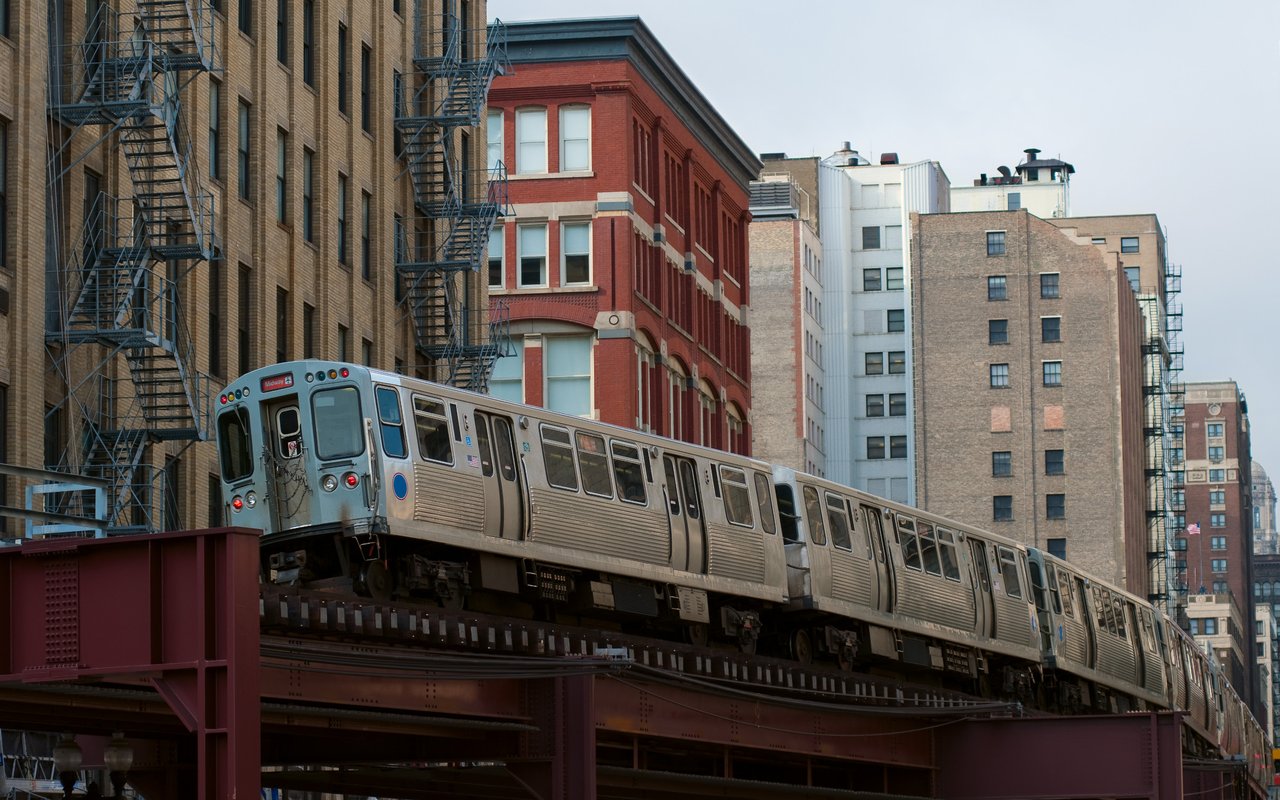
When people think of Highland Park, Ravinia Festival usually comes to mind first. Ravinia identifies Highland Park as its hometown and notes that trains still stop at its historic entrance, which is also the only private train stop left in Illinois.
Ravinia is more than a concert venue. According to Ravinia, it brings about 400,000 guests to Highland Park each year and supports local music education, making it a major cultural and economic presence in the city.
The arts scene goes beyond Ravinia
Highland Park’s cultural identity is broader than one venue. The city highlights places such as The Art Center Highland Park, Laughlin Gallery, and ArtsLink North as part of its arts and culture landscape.
Recurring events also keep the creative energy visible throughout the year. The city promotes the Port Clinton Art Festival, Arts on Sheridan, and the Bitter Jester Music Festival, which it describes as a free, family-friendly concert series that began in 2006 and has grown into a major showcase for emerging artists.
Parks Are Part of Everyday Life
A large park system supports daily use
Highland Park’s outdoor lifestyle is backed by real infrastructure. The Park District of Highland Park says it serves more than 30,000 residents, manages over 800 acres across 44 park areas, operates 11 facilities, and offers more than 3,500 recreational programs each year.
For buyers comparing communities, that scale is meaningful. It suggests that parks here are not just occasional destinations. They are part of how many people walk, bike, gather, and spend time outside on a regular basis.
Trails connect the community
The park district points to 15 miles of walking and biking paths, along with more than 250 natural areas. That helps explain why Highland Park often feels connected rather than segmented.
The city and park district also emphasize the broader bike-friendly network tied to the Robert McClory Bike Trail and Green Bay Trail. In practical terms, that means green space is woven into movement around town, not limited to isolated park stops.
Signature nature spaces add variety
The Preserve of Highland Park is one of the clearest examples of this outdoor identity. It includes more than five miles of trails connecting Park Avenue to Half Day Road and links picnic areas, gardens, overlooks, and recreation facilities.
Heller Nature Center adds another dimension with 97 acres and three miles of trails through forest, prairie, savanna, and wetlands. Together, these spaces show that Highland Park offers both active recreation and quieter natural settings.
The Lakefront Is a Real Lifestyle Feature
Lake Michigan is central to Highland Park
In some communities, the lake is a backdrop. In Highland Park, it is a real part of local life. The Park District says nearly 10% of Illinois’ Lake Michigan shoreline is within Highland Park, and it maintains four public park beaches with public access.
That level of access shapes how the city feels. It gives residents multiple ways to experience the shoreline, whether that means walking, boating, relaxing near the water, or spending time at the beach.
Rosewood Beach is the main swimming beach
Rosewood Beach is the city’s designated swimming beach and one of its best-known lakefront destinations. The park district describes it as a national award-winning beach with a nature cove, guarded swimming beach, recreation beach, beachfront interpretive center, and boardwalk.
It is also helpful to know how access works. During swimming hours, entry is managed through Rosewood Beach passes, and lakefront parking lots require a Lakefront Parking Decal.
Other shoreline spaces serve different uses
Highland Park’s other lakefront areas broaden the experience. Moraine Dog Beach and Park includes a dog beach along with passive recreation, nature walks, picnicking, and a sculpture area.
Millard Beach and Park is a non-swimming beach with more than 1,000 feet of Lake Michigan shoreline and bluff. Park Avenue Boating Facility serves as the hub for powerboating, sailing, stand-up paddleboarding, kayaking, and fishing.
This variety is important if you are comparing lifestyle fit. Rosewood is the designated swimming beach, while Park Avenue and the north beaches are non-swimming areas, so each spot supports a different kind of lakefront use.
Shopping and Dining Stay Local
Daily life happens in multiple business districts
Highland Park’s commercial layout supports a more neighborhood-oriented feel. The city points to nine business districts, which helps explain why daily life is spread across several local nodes instead of one long commercial strip.
Downtown Highland Park is described by the city as an upscale outdoor shopping district with boutiques, jewelry stores, national retailers, home-furnishings shops, restaurants, and personal-care businesses. That gives the area a mix of practical errands and destination-style browsing.
The Ravinia District adds walkable charm
The Ravinia District offers a different but complementary feel. The city presents it as a walkable cluster of small businesses, specialty shops, restaurants, and services near Ravinia Festival.
For many buyers, that matters because it adds another lifestyle center beyond downtown. It also reinforces the idea that Highland Park’s music and local business activity are closely connected.
Events make the districts feel active
Recurring community events help bring these commercial areas to life. The city calendar includes Food Truck Thursdays, Taste of Highland Park, summer concerts at Port Clinton Square, the Ravinia Farmers Market, and seasonal festivals that blend music, food, and shopping.
The city also notes that the enhanced Green Bay Trail and Robert McClory Bike Trail lead into the Ravinia District, and that Metra and Pace serve event-goers. That combination supports a more accessible, connected experience for residents and visitors alike.
What the Residential Setting Feels Like
Highland Park’s lifestyle story is not only about amenities. The city also emphasizes historic architecture, tree-lined streets, and lakefront trails, all of which shape the day-to-day feel of its residential areas.
Ravinia notes that the area includes homes designed by Frank Lloyd Wright, which adds to the sense of architectural interest. For homebuyers, this points to a community with an established setting and a strong visual identity rather than a one-note suburban layout.
What This Means for Buyers
If you are evaluating Highland Park as a place to live, the biggest takeaway is how closely its lifestyle features overlap. Music is not separate from local business activity. Parks are not separate from mobility around town. The lakefront is not a distant amenity.
That overlap can make a real difference in how a community functions day to day. Highland Park offers a setting where culture, outdoor recreation, and shoreline access are part of the same lifestyle picture, which is a big reason it continues to stand out on the North Shore.
If you want help comparing Highland Park with nearby North Shore communities, or you are looking for a home that matches the way you want to live, Audra Casey can help you navigate the market with clear neighborhood insight and a data-informed approach.
FAQs
What is Highland Park, Illinois known for?
- Highland Park is known for its connection to Lake Michigan, its extensive park system, and its arts and music scene led by Ravinia Festival.
What is the main beach for swimming in Highland Park?
- Rosewood Beach is Highland Park’s designated swimming beach, with a guarded swimming area, boardwalk, nature cove, and interpretive center.
How many parks and trails are in Highland Park?
- The Park District of Highland Park says it manages over 800 acres in 44 park areas and offers 15 miles of walking and biking paths.
What outdoor activities are available in Highland Park?
- Outdoor activities in Highland Park include walking, biking, swimming, boating, sailing, kayaking, fishing, picnicking, and nature trail use.
What shopping and dining areas does Highland Park have?
- Highland Park includes Downtown Highland Park, the Ravinia District, and a total of nine business districts with shops, restaurants, and local services.