Thinking about trading your city walk-up or a Deerfield rental for a place of your own? You are not alone. Many first-time suburban buyers look to Deerfield for its commuter rail access, practical homes, and strong community services. In this guide, you will see what you can afford, what ongoing costs to plan for, how the commute works, and a step-by-step plan to close with confidence. Let’s dive in.
Why Deerfield fits first-time buyers
Deerfield is a North Shore suburb roughly 23 to 25 miles north of downtown Chicago with a mix of single-family homes, townhomes, and condos. You get two Metra stations on the Milwaukee District North Line, local parks, and convenient access to major highways. For an overview of local services and school information, review the village’s education and municipal resources on the Village of Deerfield website.
Current market snapshot
If you are tracking prices, know that different sources use different data and dates. Redfin’s city-level summary reported a median sale price of about $775,000 in January 2026 and described the market as somewhat competitive. Zillow’s Deerfield Home Value Index registered $617,689 through December 31, 2025. Realtor.com’s 60015 zip snapshot showed median listing prices in the $599,000 to $650,000 range in late 2025. These do not conflict. They look at different pools of homes and time windows, which is common in a lower-volume suburb.
What does this mean for you? Entry points exist below the overall medians, especially in condos and smaller single-family homes. The key is to define your budget and must-haves early, then move quickly when the right fit appears.
What you can buy in Deerfield
You will see three main property types as a first-time suburban buyer:
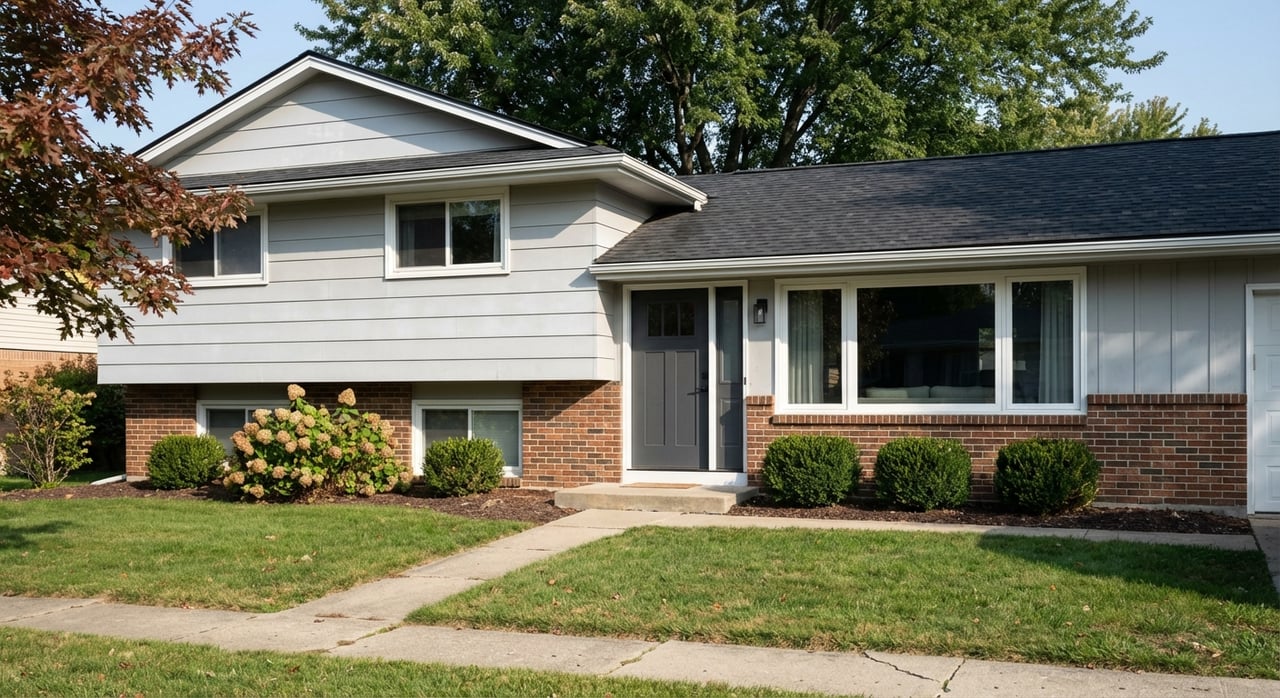
- Single-family homes: Many are mid-century ranches or split-levels, along with remodeled and new-build options. Lot sizes and updates vary.
- Townhomes: Attached homes, including some built in the 2000s and 2010s, often include association amenities and exterior maintenance.
- Condos: A smaller pool of garden-style and midrise units, some of which price well under many single-family options.
Here are practical ranges many first-time buyers consider:
- Condos and smaller 1–2 bedroom townhomes: about $250,000 to $350,000 based on recent listing pools. These maximize price control but trade yard space for convenience.
- Modest single-family homes: roughly $400,000 to $700,000 depending on size, condition, and exact location within the village.
A note on monthly costs: some townhomes carry homeowners association dues in the hundreds per month. For example, one Deerfield townhome community shows HOA fees around the mid-$400s monthly, which typically covers exterior maintenance and shared amenities. Always confirm the current amount and what it includes.
Budgeting beyond the list price
Buying smart in Deerfield means planning for taxes, insurance, HOA dues where applicable, and closing costs.
- Property taxes: Lake County property taxes are higher than the national average. Analyses of Deerfield show an effective property tax rate around 2.8 to 3.0 percent of market value. According to Ownwell’s trend data for Deerfield, a rough example at 2.9 percent on a $600,000 home would be about $17,400 per year. Your actual bill depends on assessed value, exemptions, and levy changes. Township High School District 113 approved a 3.4 percent tax-levy increase for 2026, which adjusts the school portion of local tax bills; see the coverage from The Record North Shore.
- Homeowners insurance and HOA dues: Insurance varies by coverage and home type. For townhomes and condos, account for monthly HOA dues in your budget and review what they include.
- Closing costs: Plan for roughly 1 to 3 percent of the purchase price for buyer-side closing costs, including appraisal, title, prepaid taxes and insurance, and lender fees. The CFPB’s “Your Home Loan Toolkit” outlines what to expect in lender estimates and at closing; you can review a user-friendly version here.
Pro tip: Build your budget with a cushion for maintenance and utilities, then look at total monthly carry, not just principal and interest.
Inspections that protect you
Do not skip inspections. A standard home inspection typically costs about $300 to $500 and covers structure, roof, HVAC, electrical, plumbing, and more, as outlined in this home inspection checklist. In Deerfield’s older housing stock, specialty checks can save you from big surprises:
- Radon test: Radon is present across Illinois. The Lake County Health Department encourages testing and provides guidance on mitigation; learn more from the county’s radon resource bulletin.
- Sewer-scope inspection: Older laterals can have roots, breaks, or offsets. A camera scope usually runs a few hundred dollars and can exceed $1,000 in complex cases. See typical costs and issues in this sewer inspection overview.
- Targeted add-ons: Termite or wood-destroying insect checks, mold or HVAC specialist evaluations when the general inspection suggests it.
Most inspections find items to address. You can often negotiate repairs or a credit after your report. Skipping this step may expose you to expensive fixes later.
Commute and daily logistics
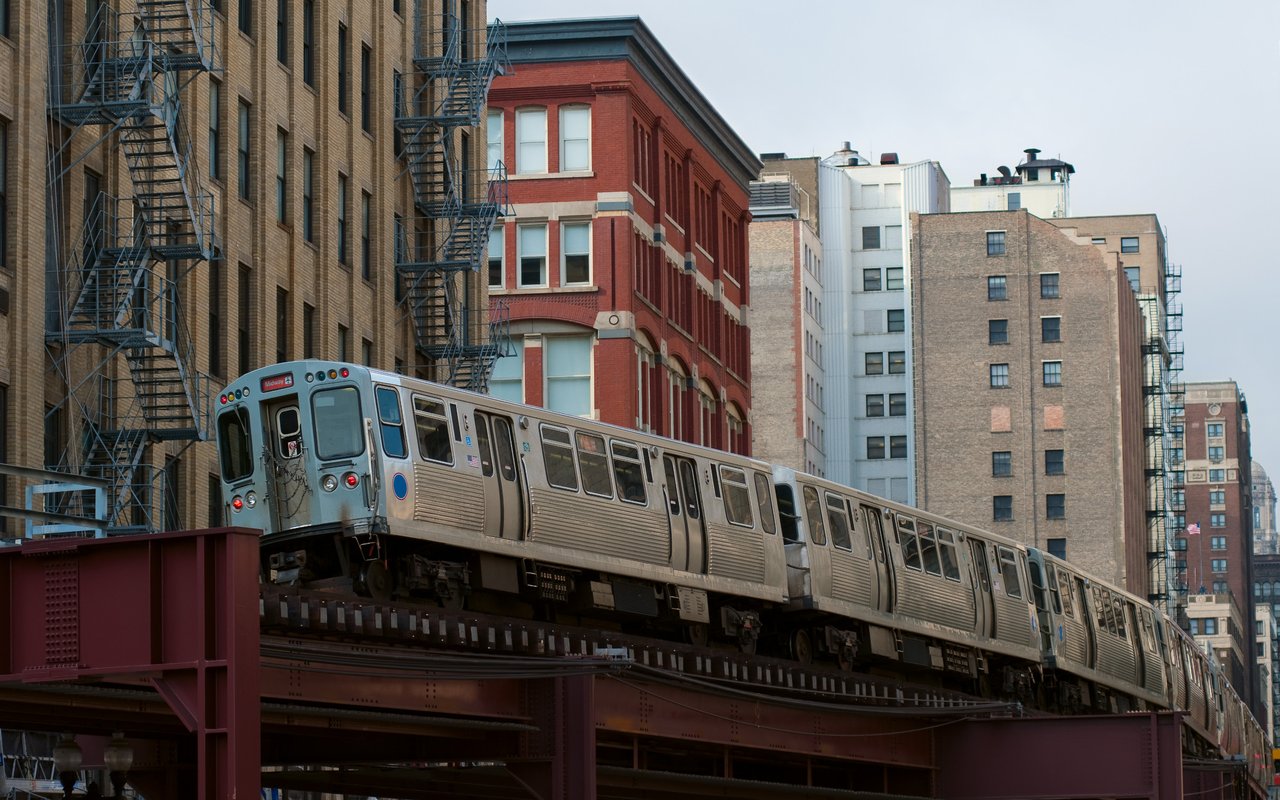
If you commute, Deerfield offers two Metra stops on the Milwaukee District North Line: Deerfield and Lake Cook Road. Both provide direct service to Chicago’s Union Station, with express trains shortening the trip. You can explore station location details via Mapcarta’s Deerfield station page.
Driving times to the Loop vary with traffic. Plan on about 35 minutes off-peak and 60 minutes or more during rush hour. For context, route planners show a wide range by time of day; you can see a general example of Deerfield-to-Chicago travel dynamics here. Deerfield also connects quickly to I‑94 and I‑294 for regional trips and is roughly 20 to 30 miles to O’Hare depending on your route.
Schools and enrollment basics
Public schools in Deerfield are primarily served by Deerfield Public Schools District 109 for grades K–8 and Township High School District 113 for grades 9–12. Attendance areas vary by address, so verify the assigned schools during your search. For the fullest picture, review district resources and the village’s education page.
A simple, step-by-step plan
Here is a clear path from browsing to closing tailored to Deerfield’s market.
1) Pre-search prep, 2 to 6 weeks
- Get pre-approved: Confirm your credit, savings, and monthly housing budget. A strong pre-approval makes your offer more competitive. The CFPB toolkit offers plain-language guidance on lender steps; see a handy version here.
- Define must-haves: Bedrooms, yard needs, commute preferences, and a firm price ceiling. Decide on single-family versus townhome or condo to guide your search.
2) Touring and offer strategy
- Tour with purpose: Prioritize homes that fit your budget and commute. Note tax bills, HOA dues, and utility estimates for an apples-to-apples comparison.
- Write a clean offer: In a somewhat competitive segment, a well-structured offer with pre-approval, appropriate deadlines, and inspection contingencies helps you compete without overreaching. Consider an escalation clause only if necessary for the specific home.
3) Under contract
- Inspection window: Many buyers use a 7 to 10 day inspection contingency. Shorter windows can be negotiated in hotter moments of the market. For common timing terms, see this real estate terms explainer.
- Appraisal and underwriting: Your lender orders the appraisal while underwriting reviews your file. This is usually the longest phase of a 30 to 45 day closing.
- Negotiate findings: Use the inspection report to request repairs or a seller credit. Keep your focus on health, safety, and costly system issues.
4) Closing
- Final walk-through: Confirm the property’s condition and any agreed repairs.
- Closing day: Wire funds using instructions obtained directly from the title company, sign documents, and receive the keys. The CFPB toolkit outlines what to expect with costs and disclosures; revisit the guide here.
First-time buyer strategies that work in Deerfield
- Align on budget early: Include principal, interest, taxes, insurance, and HOA dues if applicable. Use a conservative tax estimate based on the effective range above.
- Be inspection ready: Schedule the general inspection as soon as your offer is accepted, and add radon and sewer scopes for older homes.
- Consider townhomes or condos: These often offer the most approachable entry price, though monthly HOA dues are part of the equation.
- Test your commute: Try your actual route and train schedule during your typical hours before you commit.
- Stay flexible on terms: Reasonable closing timelines and earnest money show sellers you are serious without sacrificing key protections.
- Use pre-market access: If inventory is tight in your target price band, off-market or coming-soon opportunities can widen your options.
When you are ready to take the next step, connect with a local guide who pairs neighborhood knowledge with a clear, data-informed process.
If Deerfield is on your shortlist, let’s map your budget, timeline, and must-haves, then tour the right fits. For private and pre-market opportunities, buyer guides, and a calm, analytical approach from offer to close, reach out to Audra Casey.
FAQs
What is a realistic entry price for Deerfield first-time buyers?
- Condos and smaller townhomes often start around the mid-$200,000s to mid-$300,000s, while modest single-family homes commonly range from about $400,000 to $700,000 based on size and condition.
How should I estimate Deerfield property taxes on a new purchase?
- A simple planning estimate uses an effective rate of about 2.8 to 3.0 percent of market value; for example, 2.9 percent on $600,000 is roughly $17,400 per year, per Ownwell’s Deerfield data.
Which inspections matter most for older Deerfield homes?
- Start with a general home inspection, then add a radon test and a sewer-scope for older properties; see costs and guidance from AmeriSave’s inspection checklist and HomeAdvisor’s sewer overview.
How long is the commute from Deerfield to downtown Chicago?
- Metra’s Milwaukee District North Line runs from Deerfield and Lake Cook Road to Union Station, with express options, while driving is roughly 35 minutes off-peak and 60 minutes or more at rush hour; see a general travel-time example on Distantias.
Which public school districts serve Deerfield addresses?
- Most addresses feed into Deerfield Public Schools District 109 for K–8 and Township High School District 113 for 9–12; always verify attendance areas for a specific property on official district or village resources like the Village of Deerfield education page.
What is a typical timeline from offer to closing in Deerfield?
- Many purchases close in about 30 to 45 days, including a 7 to 10 day inspection period and time for appraisal and underwriting, as outlined in buyer-focused guides like the CFPB toolkit available here.