If you are trying to make sense of Wilmette home styles, you are not imagining the differences from one part of town to the next. In a village that stretches about five miles west from Lake Michigan, the housing feel can shift quickly, from historic lake-oriented blocks to a compact downtown core to more suburban streets farther west. If you want a clearer way to compare East, Central, and West Wilmette before you buy or sell, this guide will help you read the market with more confidence. Let’s dive in.
Why Wilmette Feels So Different
Wilmette is largely made up of older housing, and that shapes almost every home search here. Village planning materials describe a housing stock still dominated by single-family homes and owner-occupied units, with older homes remaining central to the local inventory.
That matters because when most of a village is already built out, buyers and sellers tend to compare homes based on architecture, lot character, and updates instead of just square footage. In 2023, Wilmette’s housing analysis estimated a 0.4% homeowner vacancy rate and placed the median home value at $802,200, which points to a tight market where location and style carry real weight.
Another reason the village feels distinct is its street layout. Wilmette’s 2024 comprehensive plan notes a shift from a more traditional east-side grid to a more suburban-style western pattern. That makes East, Central, and West Wilmette a practical shorthand for understanding how different parts of town live day to day.
East Wilmette Housing Styles
East Wilmette is the village’s oldest and most historically layered area. A local historic survey of properties east of 15th Street found that most documented resources were built before 1945, which helps explain why the area often feels especially established and architecturally varied.
Instead of one dominant look, East Wilmette shows a broad mix of historic styles. Village preservation materials identify Prairie, Colonial Revival, Georgian Revival, Mediterranean Revival, Italian Renaissance Revival, Tudor Revival, and Spanish Revival examples across the east side and lakefront.
That variety gives the area a streetscape that often feels collected over time rather than built all at once. You may see one block with formal revival architecture and another with a distinctly different historic character, which is part of the appeal for buyers who value individuality and older design details.
East Wilmette Lot Patterns
Some east-side blocks also stand out for lot size and land presence. Historical records point to half-acre lots on some tracts near the lake, and a recent Central Avenue subdivision case involved a 21,500-square-foot parcel that could be divided into two lots of about 10,700 and 10,800 square feet.
That does not mean every property in East Wilmette is oversized, but it does help explain why certain streets feel more estate-like. For buyers, that can mean a stronger emphasis on frontage, mature landscaping, and the value of land itself.
East Wilmette Lifestyle Feel
East Wilmette is also where shoreline amenities are most concentrated. Village materials list 63 acres of lakefront parks and beaches, along with sailing, swimming access, and the harbor.
If you are drawn to historic architecture, scenic blocks, and convenient access to the lakefront, East Wilmette is usually where those features overlap most clearly. In simple terms, this is the part of Wilmette that often feels the most lake-oriented and visually layered.
Central Wilmette Housing Styles
Central Wilmette revolves around the Village Center, Green Bay Road, Central Avenue, and the rail hub. Village planning documents describe this area as Wilmette’s central business district, intended to support housing, transportation, and daily activity while preserving its historic small-town character.
From a housing standpoint, Central Wilmette tends to feel more compact than other parts of the village. It still includes many single-family residential streets, but it also blends in mixed-use and denser edges closer to downtown.
The area’s historic fabric runs deep here too. Downtown walking-tour materials document late-19th- and early-20th-century residential and commercial buildings, showing how the district developed as a walkable center rather than a purely residential neighborhood.
Central Wilmette Home Character
In practical terms, Central Wilmette is less about one signature architectural style and more about proximity and pattern. You are often looking at older homes, traditional blocks, and a tighter street fabric shaped by the downtown core and rail corridor.
Lot sizes can vary. Some parcels are large, but the overall feel near the center is denser because homes, shops, and transit all sit closer together.
Central Wilmette Convenience
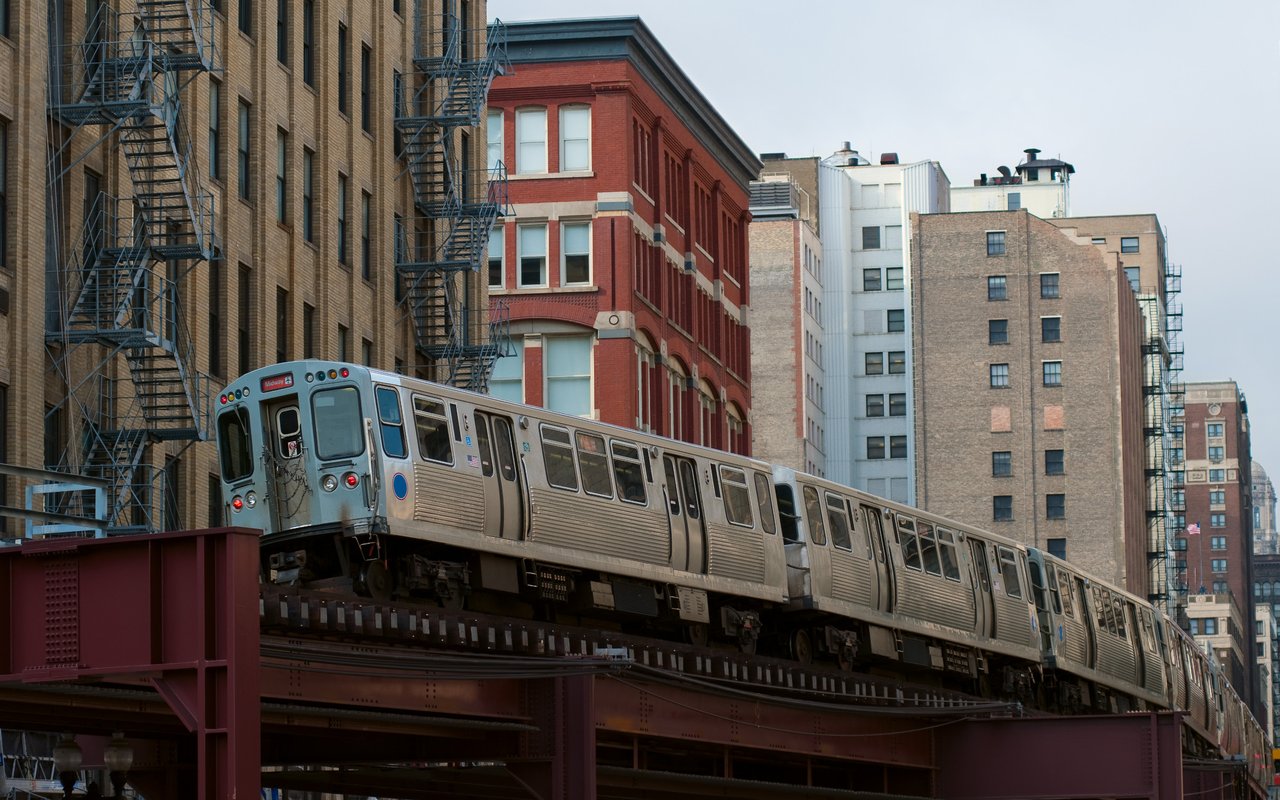
Transit is one of Central Wilmette’s defining features. The CTA Purple Line includes Wilmette stations at Linden and Central, and the Metra Union Pacific North line serves the Wilmette station.
The village also notes that downtown parking is free, with five off-street public lots. For buyers who want rail access, nearby errands, and a more connected day-to-day routine, Central Wilmette offers a location-first housing choice.
West Wilmette Housing Styles
West Wilmette shifts into a more suburban pattern. According to the village’s comprehensive plan, the street network changes from the east-side grid to a more suburban-style western layout, and the village extends to the Edens Expressway and I-94 on its west edge.
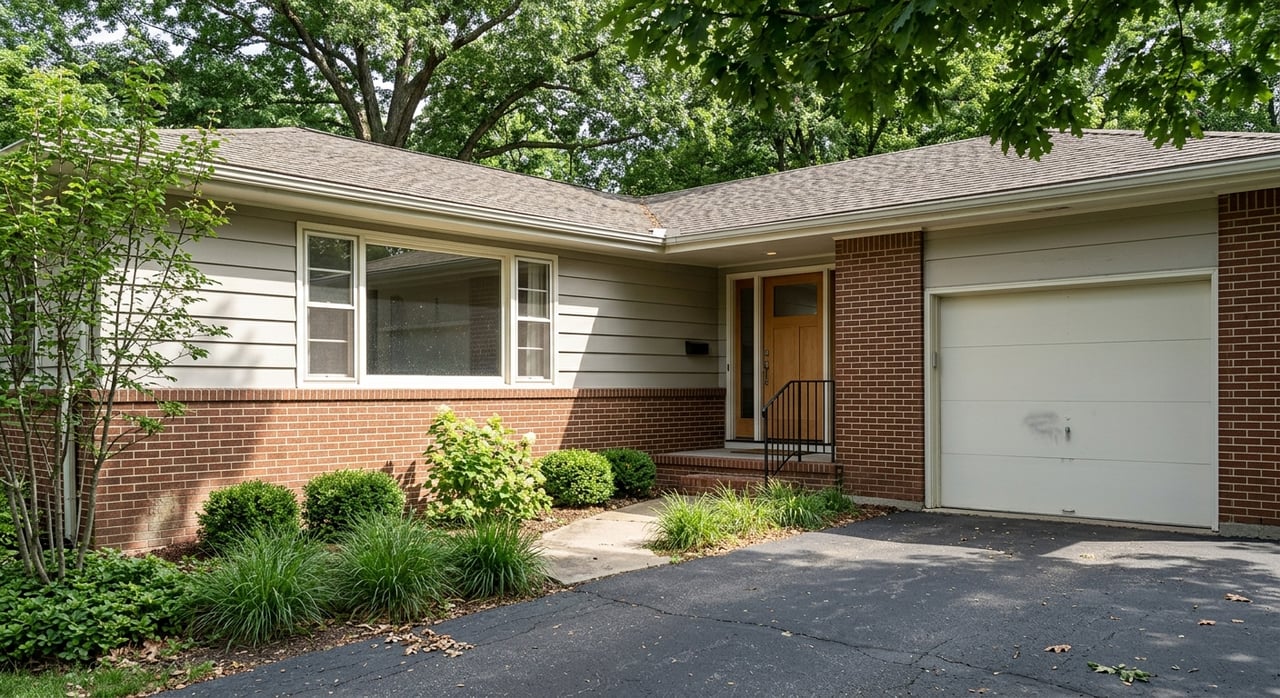
That shift changes the feel of the housing right away. West Wilmette is generally less lake-oriented and more influenced by curving streets, setbacks, garages, and overall yard presentation.
One of the clearest examples is Indian Hill Estates. A Wilmette History Museum brochure explains that this subdivision began in 1926 after the village annexed 1,500 acres west of Illinois Road, and it was planned with curving streets, expansive lawns, ornamental street lamps, underground utilities, and 50-foot setbacks.
West Wilmette Architectural Mix
West Wilmette still has architectural variety, but the mix is often organized through planned subdivision design rather than an older street-by-street evolution. In Indian Hill Estates, documented styles include Tudor Revival, Colonial Revival, French Eclectic, Spanish Revival, Norman Revival, Art Deco, and Modern homes.
The same historical materials note that the subdivision was designed around substantial two-story homes with attached garages and slate roofs, along with harmonious architectural and landscaping standards. That gives parts of West Wilmette a more intentionally planned appearance.
West Wilmette Lot Feel
On the west side, lot character often reads through depth, setback, and landscaping more than through a tight street grid. Buyers comparing west to east often notice the broader spacing, driveway visibility, and stronger suburban presentation.
This can appeal to buyers who want a more spread-out feel within Wilmette, especially if they prefer a setting where the streetscape is shaped by lawns, curves, and planned neighborhood design.
East vs Central vs West at a Glance
Here is a simple way to compare the three areas:
| Area | Typical Feel | Housing Character | Main Draw |
|---|---|---|---|
| East Wilmette | Historic, scenic, lake-oriented | Older homes with broad historic style variety | Lakefront access and established character |
| Central Wilmette | Compact, connected, walkable | Older homes near a mixed-use village core | Transit and downtown convenience |
| West Wilmette | Suburban, planned, more spread out | Curving streets, setbacks, varied traditional-to-modern homes | Yard presence and suburban street pattern |
These are useful patterns, not hard boundaries. Wilmette is still a village where block-by-block differences matter, especially because so much of the housing stock is older and redevelopment tends to happen through updates or replacement of underused properties rather than broad new construction.
What Buyers Should Notice
If you are buying in Wilmette, try to compare more than style alone. In a tight-inventory village, the real question is often how a home’s architecture, condition, and lot setting line up with your priorities.
A few helpful questions to ask are:
- Do you want historic detail and a more varied streetscape?
- Is lakefront proximity important to your daily lifestyle?
- Would you rather be near rail service and downtown errands?
- Do you prefer a more suburban street pattern with deeper setbacks?
- How much updating are you comfortable taking on in an older home?
Taking a structured approach can help you avoid comparing homes that serve very different goals. In Wilmette, a charming older home in the east, a compact central location near transit, and a more suburban west-side property may all be appealing, but for very different reasons.
What Sellers Should Highlight
If you are selling, your location within Wilmette should shape how your home is positioned. Buyers are often responding not just to the house itself, but to the specific east, central, or west experience it offers.
For example, east-side marketing may lean into historic character, architectural detail, and lake-oriented setting. Central-area marketing often benefits from emphasizing access to transit, the Village Center, and a compact daily routine. West-side homes may stand out through lot presentation, setback, planned subdivision design, and a more suburban feel.
This is where market-backed pricing and neighborhood-specific presentation matter. In a village where style, age, and block character play such a large role, thoughtful positioning can help the right buyers quickly understand what makes your property distinct.
The Bottom Line on Wilmette Styles
Wilmette is not one-note, and that is part of what makes it so appealing. East, Central, and West Wilmette each offer a different housing experience, from historic and lake-oriented to compact and connected to more suburban and planned.
If you are weighing where you fit best, it helps to look at the village through a local, block-by-block lens. For tailored guidance on buying or selling in Wilmette and across the North Shore, connect with Audra Casey.
FAQs
What makes East Wilmette homes different from other Wilmette homes?
- East Wilmette is generally the oldest and most historic part of the village, with many homes built before 1945, a wide mix of revival styles, and stronger access to lakefront parks, beaches, and scenic blocks.
What is the housing feel in Central Wilmette?
- Central Wilmette tends to feel more compact and connected, with older homes, a mixed-use downtown core, and convenient access to the Metra station and CTA Purple Line.
What are West Wilmette home styles like?
- West Wilmette often has a more suburban street pattern, with curving roads, deeper setbacks, planned subdivision design, and a mix of traditional and more modern home styles.
Are most Wilmette homes older homes?
- Yes. Village materials describe Wilmette’s housing stock as largely older, with many homes built before 1960 and older housing still central to the local market.
How should Wilmette buyers compare East, Central, and West?
- A useful way to compare them is by daily lifestyle and streetscape: East for historic and lake-oriented blocks, Central for transit and downtown convenience, and West for a more suburban layout and yard-focused setting.